Hello, This is me!

Haroon Allahdad

I am a Professional UML Designer I am skilled in C, C++ & HTML5 programming Portfolio Designing is my passion I am a skilled Article & Blog Writer I am also skilled in Excel and Access I love to make powerpoint presentations I am skilled in developing databases I am also a mediocre Graphic Designer and Front-End Developer

About me

Hello

I'mHaroon Allahdad

Self-Employed Freelancer and IT-Student

Haroon Allahdad, an ambitious IT student at the International Islamic University Islamabad, excels in C++, database development, data analysis, and UML design. Currently pursuing his BS in Information Technology, he has completed impressive projects, including a hotel management system and a comprehensive UML slide on Matrimonial Management. With a dedication to code readability and logical conditioning, Haroon's work garners praise from instructors. Aspiring to be a key freelancer, he aims to foster talent, contribute to his country's development, and drive progress in the IT field. Passionate about technology, he seeks to make a lasting impact in the industry while embracing challenges with enthusiasm.

Hire me

Request for Hire


View CV

experience

C, C++, HTML5 programming

2020-2023

I have done many class projects and even an online project using these lanuages.

UML Designer

2022-2023

I have done UML Desiging for my semester project and developed a full-fledge project showcasing the UML Diagrams on Matrimonial Management System.

Database Development

2022-2023

I have used MS Access and Excel to develope multiple databases of altough small scale, but have gained a good grip on the developing of most basic databases.

Portfolio, Article and Blog Writing

2021-2023

I have experience in article and blog writing where my uniqueness lies in my usage of easy words in my blogs for even people of other fields to easily understand. My portfolios always have a unique sense of creativity to them.

services

Portfolio Development

I am available to develope a professional looking portfolio for you.

Blog Writing

I am always ready to write quality blogs for you. You will see excitement within my blogs.

Article Writing

I also provide the sevices of article writing and will write to you a promising article using my diverse set of skills.

3700

LINES OF CODE

6

Developed portfolio's

22

Articles Written

400

Portfolio visits

Portfolio

Showing posts with label ML. Show all posts

Cybersecurity Simplified

Protecting Your Digital World


Introduction

In today's digital age, cybersecurity plays a critical role in safeguarding our internet-connected systems, data, and devices from malicious threats. Let's dive into the key aspects of cybersecurity and understand its importance in easy-to-grasp terms.


What is Cybersecurity?

Cybersecurity is the practice of defending computers, networks, and sensitive information from cyber threats. It shields us against unauthorized access, data breaches, and disruptive attacks on our digital assets.


Why is Cybersecurity Important?

As the number of users and data increases, cyber threats grow in volume and sophistication. Cybersecurity is vital for safeguarding personal and business data, maintaining trust, and ensuring continuous operations.


Elements of Cybersecurity

Cybersecurity comprises various components that work together to protect us:


1. Application Security: Securing software and applications against potential vulnerabilities.

2. Information or Data Security: Protecting sensitive data from unauthorized access and breaches.

3. Network Security: Defending networks from cyber threats and unauthorized access.

4. Disaster Recovery/Business Continuity Planning: Planning for recovering systems and data after a cyber incident.

5. Operational Security: Implementing measures to ensure secure daily operations.

6. Cloud Security: Securing data and applications in cloud environments.

7. Critical Infrastructure Security: Protecting essential infrastructure from cyber threats.

8. Physical Security: Safeguarding physical assets that house digital systems.

9. End-user Education: Educating users to identify and avoid potential cyber risks.


Benefits of Cybersecurity

Implementing cybersecurity practices brings several advantages:


- Protection against cyberattacks and data breaches.

- Safeguarding data and networks.

- Prevention of unauthorized access.

- Quick recovery after a breach.

- Enhanced protection for users and devices.

- Compliance with regulations.

- Ensuring business continuity.

- Building trust and reputation with stakeholders.


Types of Cyberthreats

Cyberthreats take many forms, including:


- Malware: Malicious software like viruses, worms, Trojans, and spyware.

- Ransomware: Locking files and demanding payment to unlock them.

- Phishing: Fraudulent emails or messages to steal sensitive information.

- Spear Phishing: Targeted phishing attacks on specific individuals or organizations.

- Insider Threats: Breaches caused by employees or trusted individuals.

- DDoS Attacks: Overwhelming a target system with traffic to disrupt services.

- APTs: Long-term targeted attacks to steal data.

- Man-in-the-Middle Attacks: Intercepting and relaying messages between users.

- Other Attacks: Botnets, drive-by downloads, cross-site scripting, and more.


Top Cybersecurity Challenges

Cybersecurity faces several challenges, including:


- Evolving Threats: Constantly changing and sophisticated cyber risks.

- Data Deluge: Managing and securing vast amounts of collected data.

- Cybersecurity Awareness: Educating employees to avoid security risks.

- Workforce Shortage: Lack of skilled cybersecurity professionals.

- Supply Chain Risks: Vulnerabilities in third-party vendors and partners.


How Automation Enhances Cybersecurity

Automation, using AI and machine learning, improves cybersecurity in threat detection, response, and aiding security professionals. It helps manage high data volumes and reduces the burden on human analysts.


Cybersecurity Vendors and Tools

Various cybersecurity vendors offer products and services to safeguard digital assets. Some well-known vendors include Check Point, Cisco, McAfee, and Symantec, among others.


Career Opportunities in Cybersecurity

Cybersecurity offers exciting career paths, such as CISOs, security analysts, penetration testers, and more. With the increasing demand for skilled professionals, it presents excellent prospects for those interested in this field.


Glossary:

- Malware: Malicious software designed to harm computer users or systems.

- Ransomware: Malware that locks files and demands payment for their release.

- Phishing: An attack using fraudulent emails or messages to steal sensitive data.

- Spear Phishing: Targeted phishing attacks against specific users or organizations.

- DDoS Attacks: Distributed Denial-of-Service attacks that overload a target system.

- APTs: Advanced Persistent Threats, prolonged targeted attacks to steal data.

- Man-in-the-Middle Attacks: Eavesdropping attacks intercepting messages.

- AI: Artificial Intelligence, computer systems mimicking human intelligence. For further understanding visit my blog (https://haroonallahdad1.blogspot.com/2023/07/the-potential-of-ai-and-ml-in.html)

- Machine Learning: A subset of AI where systems learn and improve from data without explicit programming. For further understanding visit my blog (https://haroonallahdad1.blogspot.com/2023/07/the-potential-of-ai-and-ml-in.html)

- CISO: Chief Information Security Officer, responsible for an organization's security program.

- IoT: Internet of Things, a network of interconnected devices and objects.


Source: TechTarget (https://www.techtarget.com/searchsecurity/definition/cybersecurity)
The Potential of AI and ML in Information Systems

Unraveling the Potential of AI and ML in Information Systems: A Student's Guide


Introduction:

As an IT student or professional, you might have heard of Artificial Intelligence (AI) and Machine Learning (ML) as game-changers in the technology world, especially in information systems (IS). Understanding their impact is vital for your career growth. In this article, we'll break down the concepts of AI and ML into easy-to-grasp terms, empowering you to see the advantage of integrating them into your IT journey.


AI and ML: The Basics:

AI aims to make computers smart like humans, while ML is a subset that enables computers to learn from data without explicit programming. Often used interchangeably, it's crucial to differentiate them for a clear perspective.


Building Intelligent Agents:

Imagine an intelligent agent as the heart of an AI-based system. It operates independently, perceives its environment, adapts to changes, and achieves goals. ML plays a key role in the cognition layer of these agents, comprising two parts: the learning and executing backend.


The Learning Backend:

The learning backend equips agents to continuously improve and adapt using new data, mimicking how we learn from experiences. It's like giving them the power to evolve and stay up-to-date.


The Executing Backend:

On the other hand, the executing backend relies on pre-learned ML models to perform specific tasks. These models remain fixed after deployment but provide valuable insights and predictions.


A Typology for AI-based Systems:


To simplify AI-based systems, consider this typology:

  1. Static AI-based Systems: These systems use fixed rules or algorithms without ML. They serve specific tasks without adaptability. An example of a Static AI-based System could be a rule-based expert system designed for cybersecurity. In this system, a set of predefined rules and algorithms are used to analyze network traffic and detect potential threats. The system operates based on fixed rules, and once it is deployed, it does not continuously learn or adapt to new types of cyber threats. Instead, it relies on the initial set of rules to identify and respond to known threats.


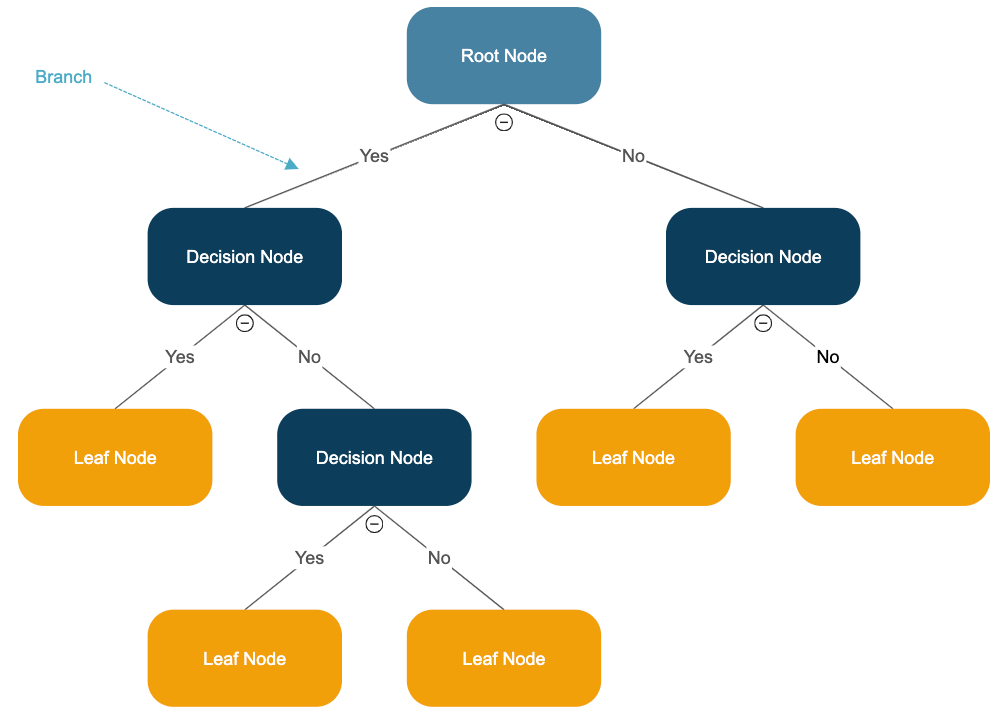
  2. Static ML-based Systems: Here, systems use ML to build models, but the models don't change afterward. They offer valuable insights and analysis.
  3. Example: Decision Trees
  4. Adaptive AI Systems: These systems don't use ML but can be updated manually by human interaction, offering scope for continuous improvement.

  5. Example: Chatbots

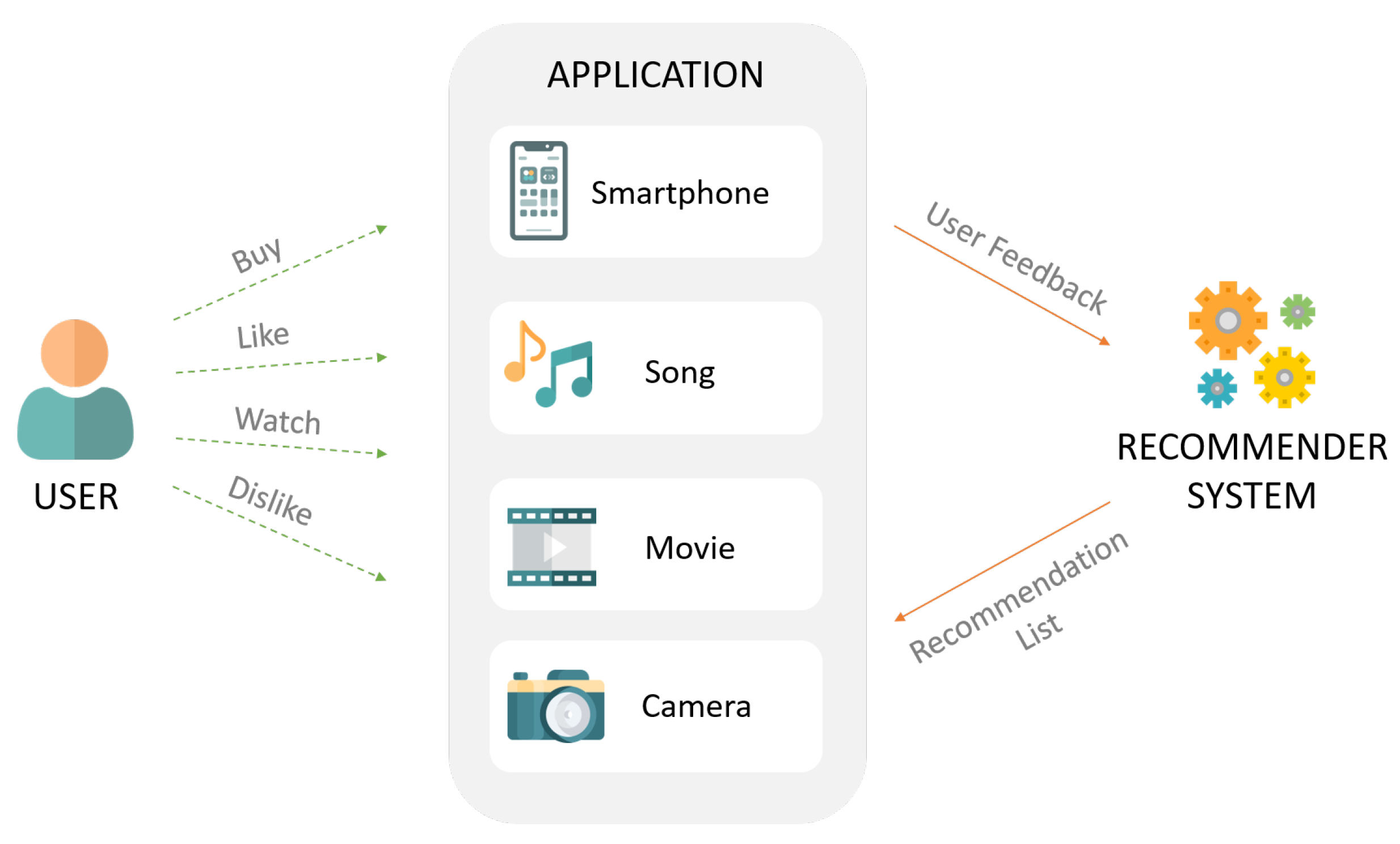
  6. Adaptive ML-based Systems: These systems use ML to learn and adapt continuously, making them agile for dynamic tasks and challenges.

  7. Examples: Recommendations systems


Conclusion:

    As an IT student, understanding the potential of AI and ML is a game-changer for your career.  AI and ML is going to prove ML empowers intelligent agents and enhances AI-based systems, leading to innovation in various industries. Embrace this knowledge, and you'll be at the forefront of technological advancements. With AI and ML as your allies, your journey in information systems will be nothing short of remarkable.
    
    AI and ML are not only beneficial for IT professionals but also for people in various other fields, such as ChatGPT generating summaries to quickly understand complex articles, and tome AI generating presentations to assist non-experts in creating compelling and engaging slideshows. These applications empower individuals outside of the tech industry to leverage AI and ML technologies for improved productivity and understanding.


Glossary:

1. AI (Artificial Intelligence): AI refers to the simulation of human intelligence in machines that can perform tasks like problem-solving, learning, and decision-making.

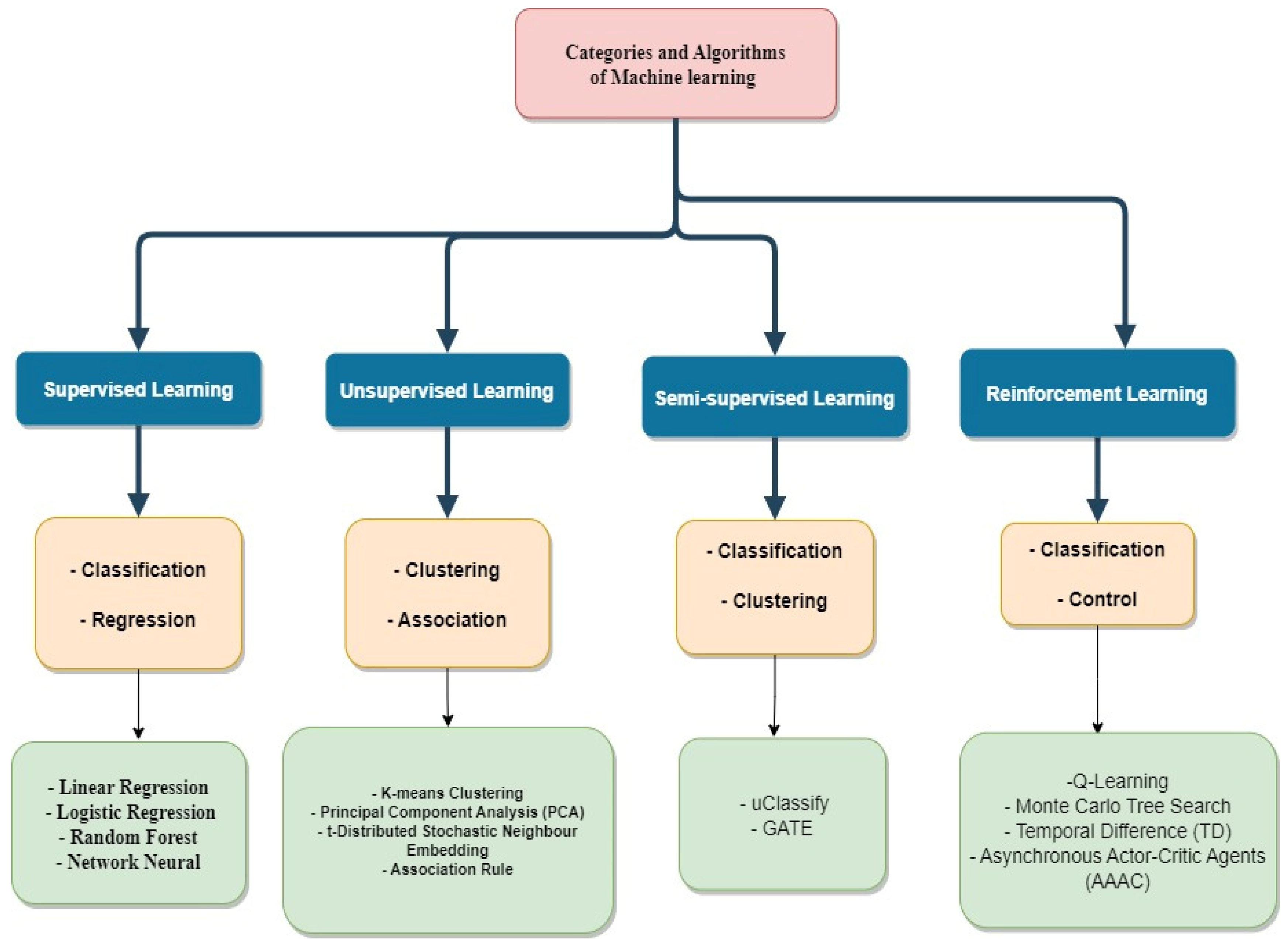
2. ML (Machine Learning): ML is a subset of AI that enables machines to learn and improve from experience without explicit programming, using algorithms and data.

3. Chatbots: Chatbots are AI-powered virtual assistants designed to interact with users in natural language and perform tasks like answering queries or providing information.

4. Tome AI: Tome AI is an AI system that generates presentations to assist non-experts in creating compelling slideshows quickly and easily.

5. Decision Trees: Decision Trees are ML models that use a tree-like structure to make decisions by dividing data into subsets based on specific features.

6. Reinforcement Learning: A type of ML where an agent learns to take actions in an environment to maximize rewards, learning from trial and error.

7. IS (Information Systems): IS refers to a field that studies how technology and information can support and enhance various business processes and decision-making.

8. Cognition Layers: Cognition Layers in AI-based systems represent the backend where the AI agent's cognitive capabilities, including learning and decision-making, are implemented.

testimonial

Haroon has developed a portfolio for me and it is absolutely beautiful, as I am a market designer therefore a good porfolio was really essencial for my marketing field. Link for portfolio: raheelabbas3.blogspot.com

Raheel Abbas

Student of Management Sciences (Hazara University Mansehra)

We also have had our portfolio developed by Haroon and we assure you he is value for money person whom would develope you very professional portfolio and his blog and article writing skill is good too. Link for portfolio: hightechwizards.blogspot.com

HighTech Wizards

Freelancing company

Haroon has developed an excellent website for me too. He finished it in a single day with quality and cost efficient work for my hospitality and tourism related portfolio. Highly recommend him!
Link for portfolio:usamakhalid7.blogspot.com

Usama Khalid

Student of Hospitality and Tourism (Air University Rawalpindi)


Haroon Allahdad
+92231224382
F11/3 Islamabad, Pakistan

SEND ME A MESSAGE