.png)
.png)
Protecting Your Digital World

Introduction
In today's digital age, cybersecurity plays a critical role in safeguarding our internet-connected systems, data, and devices from malicious threats. Let's dive into the key aspects of cybersecurity and understand its importance in easy-to-grasp terms.
What is Cybersecurity?
Cybersecurity is the practice of defending computers, networks, and sensitive information from cyber threats. It shields us against unauthorized access, data breaches, and disruptive attacks on our digital assets.
Why is Cybersecurity Important?
As the number of users and data increases, cyber threats grow in volume and sophistication. Cybersecurity is vital for safeguarding personal and business data, maintaining trust, and ensuring continuous operations.

Elements of Cybersecurity
Cybersecurity comprises various components that work together to protect us:
1. Application Security: Securing software and applications against potential vulnerabilities.
2. Information or Data Security: Protecting sensitive data from unauthorized access and breaches.
3. Network Security: Defending networks from cyber threats and unauthorized access.
4. Disaster Recovery/Business Continuity Planning: Planning for recovering systems and data after a cyber incident.
5. Operational Security: Implementing measures to ensure secure daily operations.
6. Cloud Security: Securing data and applications in cloud environments.
7. Critical Infrastructure Security: Protecting essential infrastructure from cyber threats.
8. Physical Security: Safeguarding physical assets that house digital systems.
9. End-user Education: Educating users to identify and avoid potential cyber risks.
Benefits of Cybersecurity
Implementing cybersecurity practices brings several advantages:
- Protection against cyberattacks and data breaches.
- Safeguarding data and networks.
- Prevention of unauthorized access.
- Quick recovery after a breach.
- Enhanced protection for users and devices.
- Compliance with regulations.
- Ensuring business continuity.
- Building trust and reputation with stakeholders.
Types of Cyberthreats
Cyberthreats take many forms, including:
- Malware: Malicious software like viruses, worms, Trojans, and spyware.
- Ransomware: Locking files and demanding payment to unlock them.
- Phishing: Fraudulent emails or messages to steal sensitive information.
- Spear Phishing: Targeted phishing attacks on specific individuals or organizations.
- Insider Threats: Breaches caused by employees or trusted individuals.
- DDoS Attacks: Overwhelming a target system with traffic to disrupt services.
- APTs: Long-term targeted attacks to steal data.
- Man-in-the-Middle Attacks: Intercepting and relaying messages between users.
- Other Attacks: Botnets, drive-by downloads, cross-site scripting, and more.

Top Cybersecurity Challenges
Cybersecurity faces several challenges, including:
- Evolving Threats: Constantly changing and sophisticated cyber risks.
- Data Deluge: Managing and securing vast amounts of collected data.
- Cybersecurity Awareness: Educating employees to avoid security risks.
- Workforce Shortage: Lack of skilled cybersecurity professionals.
- Supply Chain Risks: Vulnerabilities in third-party vendors and partners.

How Automation Enhances Cybersecurity
Automation, using AI and machine learning, improves cybersecurity in threat detection, response, and aiding security professionals. It helps manage high data volumes and reduces the burden on human analysts.
Cybersecurity Vendors and Tools
Various cybersecurity vendors offer products and services to safeguard digital assets. Some well-known vendors include Check Point, Cisco, McAfee, and Symantec, among others.

Career Opportunities in Cybersecurity
Cybersecurity offers exciting career paths, such as CISOs, security analysts, penetration testers, and more. With the increasing demand for skilled professionals, it presents excellent prospects for those interested in this field.
Glossary:
- Malware: Malicious software designed to harm computer users or systems.
- Ransomware: Malware that locks files and demands payment for their release.
- Phishing: An attack using fraudulent emails or messages to steal sensitive data.
- Spear Phishing: Targeted phishing attacks against specific users or organizations.
- DDoS Attacks: Distributed Denial-of-Service attacks that overload a target system.
- APTs: Advanced Persistent Threats, prolonged targeted attacks to steal data.
- Man-in-the-Middle Attacks: Eavesdropping attacks intercepting messages.
- AI: Artificial Intelligence, computer systems mimicking human intelligence. For further understanding visit my blog (https://haroonallahdad1.blogspot.com/2023/07/the-potential-of-ai-and-ml-in.html)
- Machine Learning: A subset of AI where systems learn and improve from data without explicit programming. For further understanding visit my blog (https://haroonallahdad1.blogspot.com/2023/07/the-potential-of-ai-and-ml-in.html)
- CISO: Chief Information Security Officer, responsible for an organization's security program.
- IoT: Internet of Things, a network of interconnected devices and objects.
Source: TechTarget (https://www.techtarget.com/searchsecurity/definition/cybersecurity)

Ensuring Safe Artificial Intelligence: Experts Propose Guidelines for Responsible AI Systems

A global coalition of AI experts and data scientists, known as the World Ethical Data Foundation, has introduced a new voluntary framework aimed at promoting the safe development of artificial intelligence (AI) products. With members from tech giants like Meta, Google, and Samsung, the Foundation has released an open letter containing a practical checklist of 84 questions for developers to consider during the inception of an AI project.
AI, which enables computers to mimic human behavior, holds immense potential but requires responsible development. The proposed guidelines focus on essential aspects, such as preventing bias in AI products, addressing legal implications when AI-generated outcomes might break the law, and ensuring user privacy and transparency during AI interactions.
The framework also emphasizes the fair treatment of human workers involved in AI product development and adherence to data protection laws across different regions.

Vince Lynch, an AI expert and advisor to the Foundation, notes that AI development is currently in a "Wild West stage," underscoring the significance of responsible practices due to the potentially high costs of errors.
These voluntary guidelines complement ongoing efforts by authorities to establish ethical AI standards. By promoting transparency and accountability, the framework aims to make AI safer and more beneficial for everyone. Developers are encouraged to contribute their own questions, fostering a collective approach to AI development.

In a rapidly evolving AI landscape, the proposed guidelines represent a significant step toward ensuring that AI technology benefits society while addressing potential risks.
Glossary
1. Artificial Intelligence (AI)
The simulation of human-like intelligence in machines, enabling them to perform tasks that typically require human intelligence.
2. Ethical Data
The responsible and morally sound handling of data, ensuring fairness, transparency, and privacy.
3. Bias in AI
The presence of unfair prejudice or discrimination in AI systems, which can result in skewed outcomes or treatment of certain groups.
4. Data Protection Laws
Regulations governing the use, storage, and sharing of personal data to safeguard individuals' privacy and rights.
5. Open Letter
A written statement addressing a specific topic or issue, often signed by numerous individuals or organizations.
6. Voluntary Framework
Guidelines or rules that are not legally mandated but encourage organizations to adopt ethical practices voluntarily.
7. Transparency
The quality of being clear and open about the processes and decisions made by AI systems.
8. Accountability
The responsibility of individuals or organizations to answer for their actions and decisions.
9. Collective Approach
A collaborative effort involving multiple stakeholders working together towards a common goal.
Source
This summary is based on the article "Artificial intelligence: Experts propose guidelines for safe systems" from BBC Technology. For more information, you can visit the [BBC Technology article](https://www.bbc.com/news/technology-66225855).
Revolutionizing Ocean Monitoring: AI and Machine Learning to Safeguard Marine Life: The MARLIN Project

Introduction
Ocean science technology innovator RS Aqua, in collaboration with the University of Southampton, has secured funding from Innovate UK to develop an advanced system for monitoring the underwater environment. The MARLIN project aims to create an innovative underwater sensor that leverages machine learning (ML) to identify harmful environmental activities in real time, transmitting vital information to a web application. This groundbreaking technology will allow stakeholders to remotely monitor the ocean and make time-critical decisions like never before.
Article Contents
The MARLIN project will introduce several cutting-edge technologies: ML techniques to distinguish between typical and unusual underwater noises, real-time data connections suitable for remote ocean areas, and a user-friendly interface for easy accessibility.

The impact of MARLIN extends beyond technological advancements. It will aid in the conservation of marine mammals, especially during offshore wind farm construction, where their activities need sensitive monitoring. Additionally, MARLIN's real-time recognition capabilities will help detect illegal fishing activities, leading to better protection of fishing grounds and marine protected areas, preserving them for future generations.

By providing a sustainable and cost-effective method for ocean monitoring, MARLIN will play a crucial role in the growth of the blue ocean economy. The system's ability to reduce the need for large marine vessels for monitoring missions will potentially cut vessel CO2 emissions by up to 75%.

Testimonies
Testimonials from experts emphasize the significance of AI-powered sound monitoring in the underwater world. Dr. Ryan Mowat, Research Director at RS Aqua, expressed enthusiasm for MARLIN's potential in revolutionizing ocean monitoring. Professor of Statistical Signal Processing Paul White, from the University of Southampton, highlighted its role in protecting fragile marine ecosystems and detecting illegal activities.
Conclusion
In conclusion, the MARLIN project, driven by AI and ML technologies, will mark a transformative shift in ocean monitoring capabilities. By safeguarding marine life and preserving valuable marine ecosystems, this innovative system represents a significant leap forward in environmental conservation and sustainable ocean exploration.
Glossary
1. Machine Learning (ML): A subset of artificial intelligence that enables systems to learn and improve from experience without being explicitly programmed. For further understanding do visit my ML and AI article (url: https://www.blogger.com/blog/post/edit/4283887534010148415/363639730484619036)
2. Real-time Data Transmission: Immediate or nearly instant data processing and transmission as events occur.
3. Marine Mammals: Warm-blooded aquatic animals, such as whales and dolphins, that live in the ocean and breathe air.
4. Blue Ocean Economy: The sustainable use of ocean resources for economic growth, job creation, and improved livelihoods while preserving the health of marine ecosystems.
5. CO2 Emissions: Carbon dioxide emissions, a greenhouse gas that contributes to global warming and climate change.
6. Innovate UK: Innovate UK is the UK's innovation agency that supports and promotes innovation in various sectors.
7. Remote Monitoring: Remote monitoring is the process of observing and collecting data from a distance using advanced technologies.
8. Marine Mammals: Marine mammals are warm-blooded animals living in the ocean, like whales and dolphins.
9. Offshore Wind Farm: An offshore wind farm is a collection of wind turbines in bodies of water to generate electricity.
10. Illegal Fishing: Illegal fishing involves catching marine organisms in violation of laws, leading to overfishing.
11. Marine Protected Areas (MPAs): MPAs are designated ocean areas regulated to protect marine biodiversity.
Unraveling the Potential of AI and ML in Information Systems: A Student's Guide
Introduction:
As an IT student or professional, you might have heard of Artificial Intelligence (AI) and Machine Learning (ML) as game-changers in the technology world, especially in information systems (IS). Understanding their impact is vital for your career growth. In this article, we'll break down the concepts of AI and ML into easy-to-grasp terms, empowering you to see the advantage of integrating them into your IT journey.AI and ML: The Basics:
AI aims to make computers smart like humans, while ML is a subset that enables computers to learn from data without explicit programming. Often used interchangeably, it's crucial to differentiate them for a clear perspective.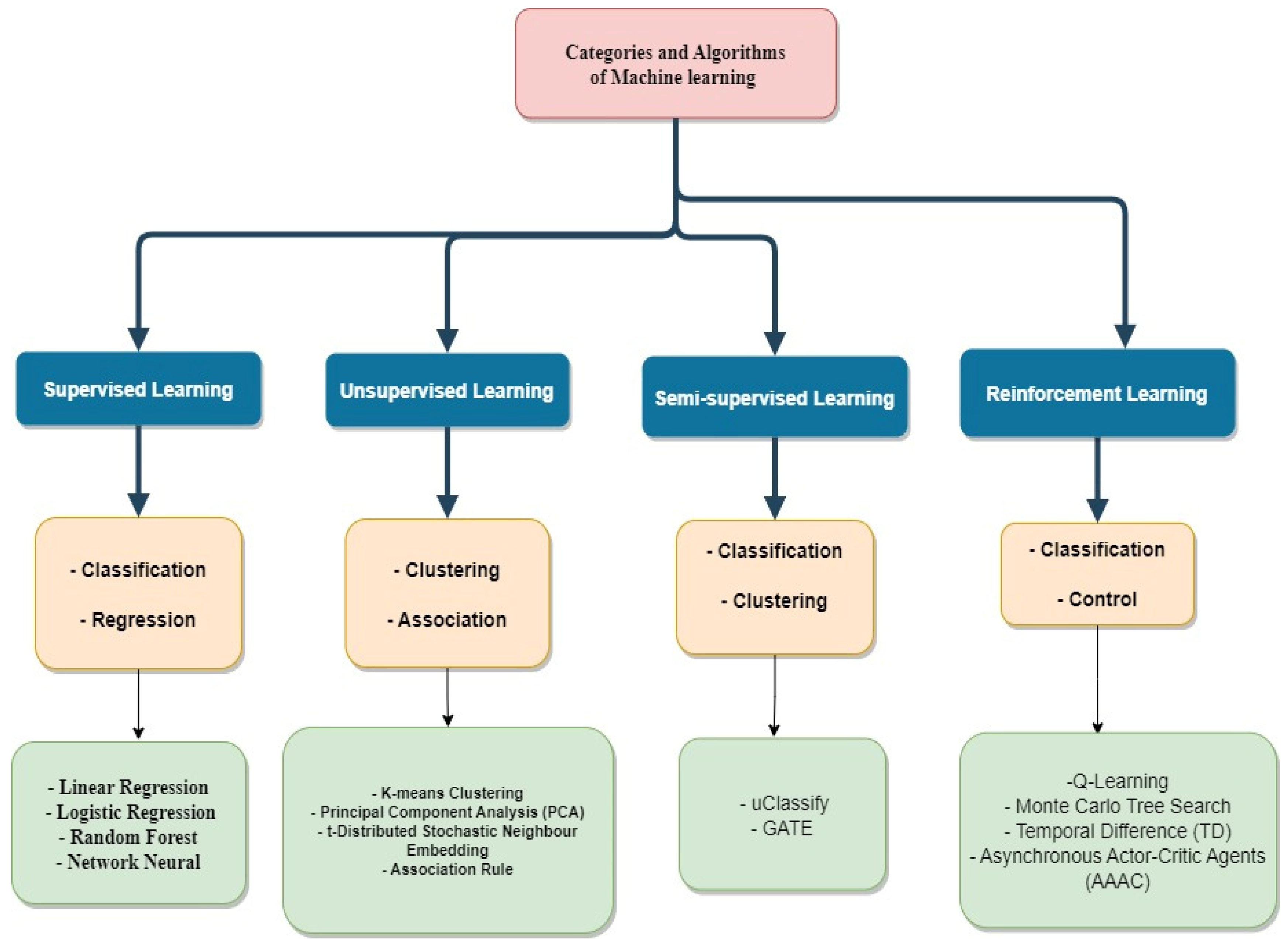
Building Intelligent Agents:
Imagine an intelligent agent as the heart of an AI-based system. It operates independently, perceives its environment, adapts to changes, and achieves goals. ML plays a key role in the cognition layer of these agents, comprising two parts: the learning and executing backend.The Learning Backend:
The learning backend equips agents to continuously improve and adapt using new data, mimicking how we learn from experiences. It's like giving them the power to evolve and stay up-to-date.The Executing Backend:
On the other hand, the executing backend relies on pre-learned ML models to perform specific tasks. These models remain fixed after deployment but provide valuable insights and predictions.A Typology for AI-based Systems:
To simplify AI-based systems, consider this typology:
Static AI-based Systems: These systems use fixed rules or algorithms without ML. They serve specific tasks without adaptability. An example of a Static AI-based System could be a rule-based expert system designed for cybersecurity. In this system, a set of predefined rules and algorithms are used to analyze network traffic and detect potential threats. The system operates based on fixed rules, and once it is deployed, it does not continuously learn or adapt to new types of cyber threats. Instead, it relies on the initial set of rules to identify and respond to known threats.
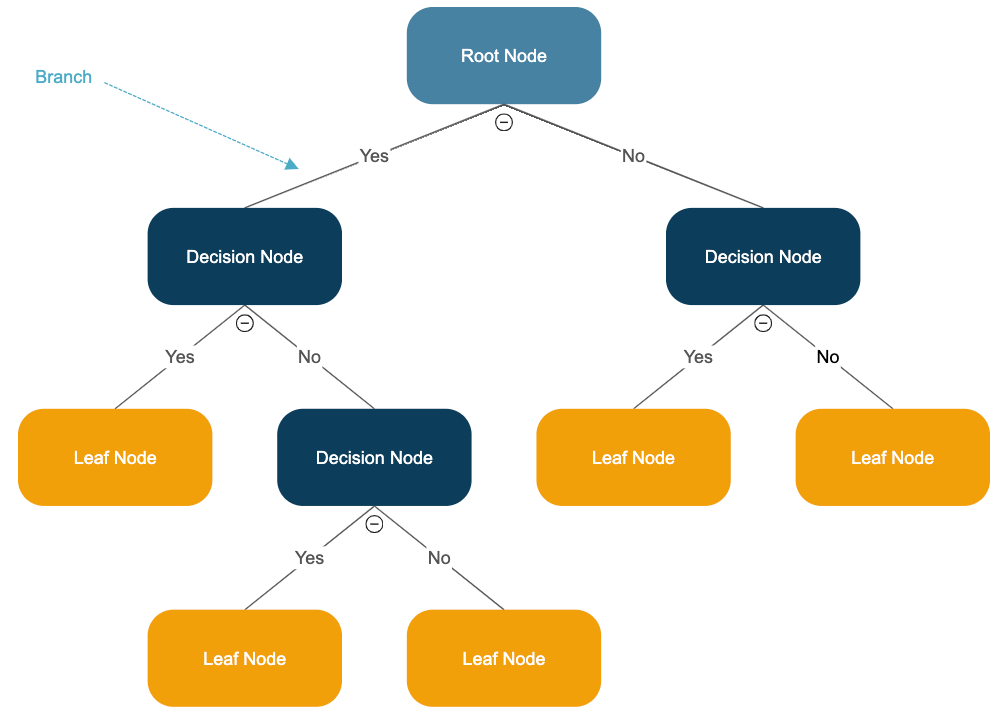
- Static ML-based Systems: Here, systems use ML to build models, but the models don't change afterward. They offer valuable insights and analysis.
- Example: Decision Trees
- Adaptive AI Systems: These systems don't use ML but can be updated manually by human interaction, offering scope for continuous improvement.
Example: Chatbots
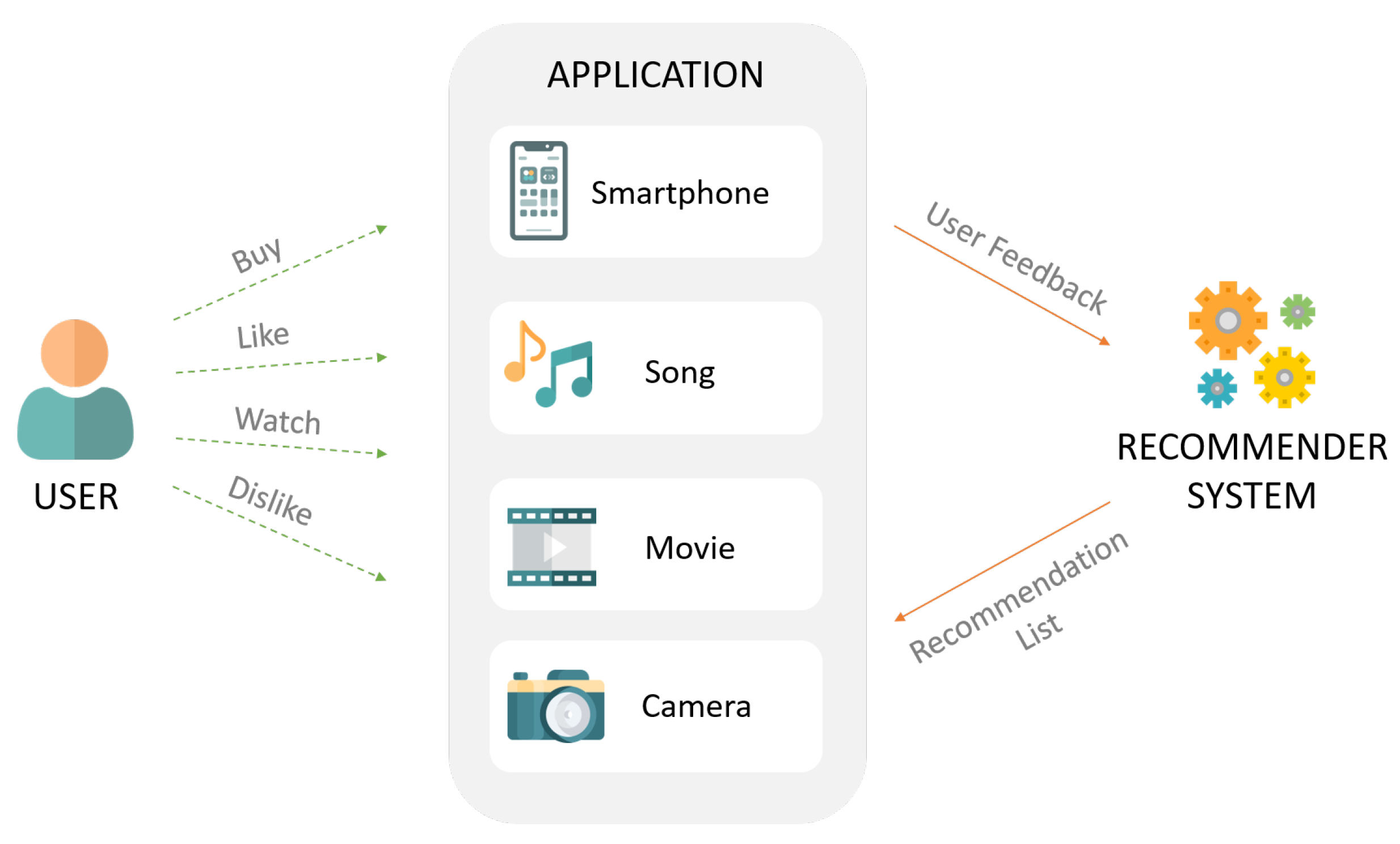
Adaptive ML-based Systems: These systems use ML to learn and adapt continuously, making them agile for dynamic tasks and challenges.
Examples: Recommendations systems